

The further a product penetrates a new market, the more blurred its brand identity becomes. For Vietnamese FMCG and D2C brands entering the US or ASEAN, this is not a design problem. It is a structural one.
It starts with naming. When a brand appears in each new market with a different name, logo, or positioning without any control, the company is eroding the core values it spent years building. This inconsistency reduces customer trust, drives up advertising costs, and blocks any realistic goal of building sustainable equity at global scale.
The Risks of Non-Strategic Market Expansion
Consider a leading Vietnamese food company trying to bring its traditional dipping sauce line into the Costco retail system in the US. With the goal of appealing to local tastes, the company changes the brand name, adjusts the identity system on instinct, and separates the product from a parent brand that already carries strong equity at home.
The result: Asian consumers no longer recognize the familiar brand, while local consumers encounter an unfamiliar label with no brand story strong enough to build trust.
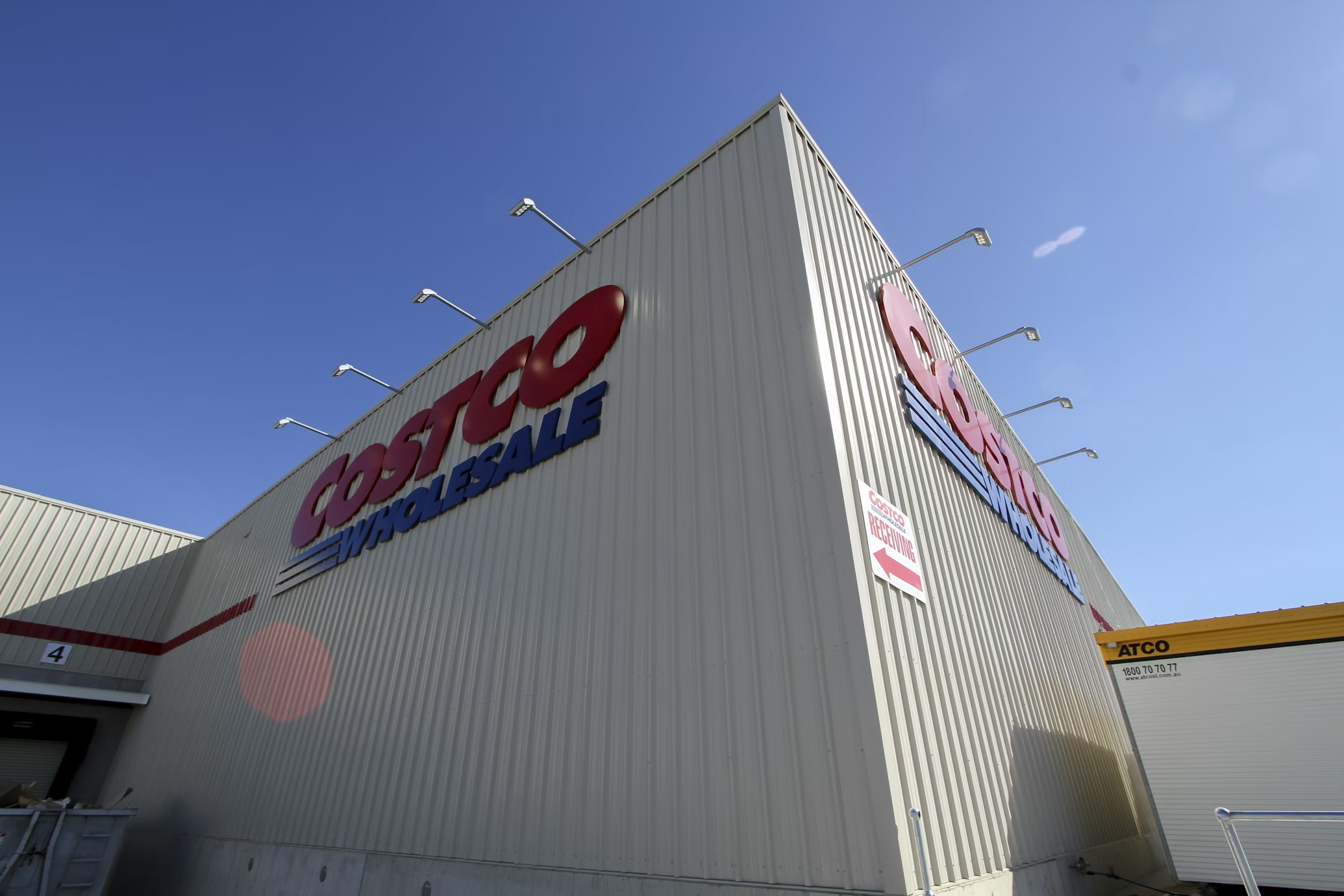
This is not an aesthetics or packaging problem. It is a strategic failure in brand asset management during international expansion. Under the B2M (Brand-to-Market) model, a brand can adapt to new environments, but it must retain the core DNA the market has already recognized. When brand architecture is inconsistent across markets, companies face costly invisible barriers: rising marketing costs, eroding trust from fragmented messaging, and brand equity that splinters market by market.
Expanding a brand is not about changing names or refreshing visuals. It is a process of deliberate strategic coordination, designed to preserve and grow brand value when a company enters a new market. Without a clear architecture plan, Vietnamese enterprises cannot expand globally without trading away their most valuable asset: brand reputation.
The Architecture Decision Framework
3 Factors That Determine Brand Expansion Success
When a company expands into foreign markets, success typically comes down to three things.
First, maintaining the brand’s core values. When going international, a company should not transplant its entire identity system into a new market unchanged. Instead, it should distill the most essential elements that define the brand: a signature symbol, a recognizable color palette, a service philosophy that has already proven itself. These elements form the foundation for customer recognition and help sustain loyalty as the brand enters a new cultural environment.
Second, reorganizing the product portfolio. In Vietnam, an FMCG brand may sell hundreds of products to cover distribution channels. When exporting to markets like the US or Europe, maintaining that product count is a strategic mistake. The company needs to filter down to the products with the clearest competitive advantage and the strongest fit for the target market. This is a core discipline in resource optimization during global expansion.
Third, updating the visual identity to meet new market standards. The brand’s visual system needs to reflect the lifestyle, aesthetics, and expectations of customers in the target market. A Vietnamese natural cosmetics brand entering Europe, for example, needs packaging that is more minimal, with clear emphasis on transparency, sustainability, and scientific credentials. These are table-stakes expectations for European consumers. This is not about abandoning origins. It is a necessary adjustment for the brand to survive and grow in a market that keeps moving.
The Chin-su Story: Architecting a Brand for International Markets
In an industry where Vietnamese consumer goods companies are shifting from exporting raw materials to exporting brands, Chin-su stands as the clearest example of what deliberate brand architecture looks like in practice. This is not just a story about putting a bottle of soy sauce or chili sauce on foreign shelves. It is a calculated expansion strategy designed to hold Core Equity intact while meeting the strict standards of global markets.
Why Over-Localization Fails
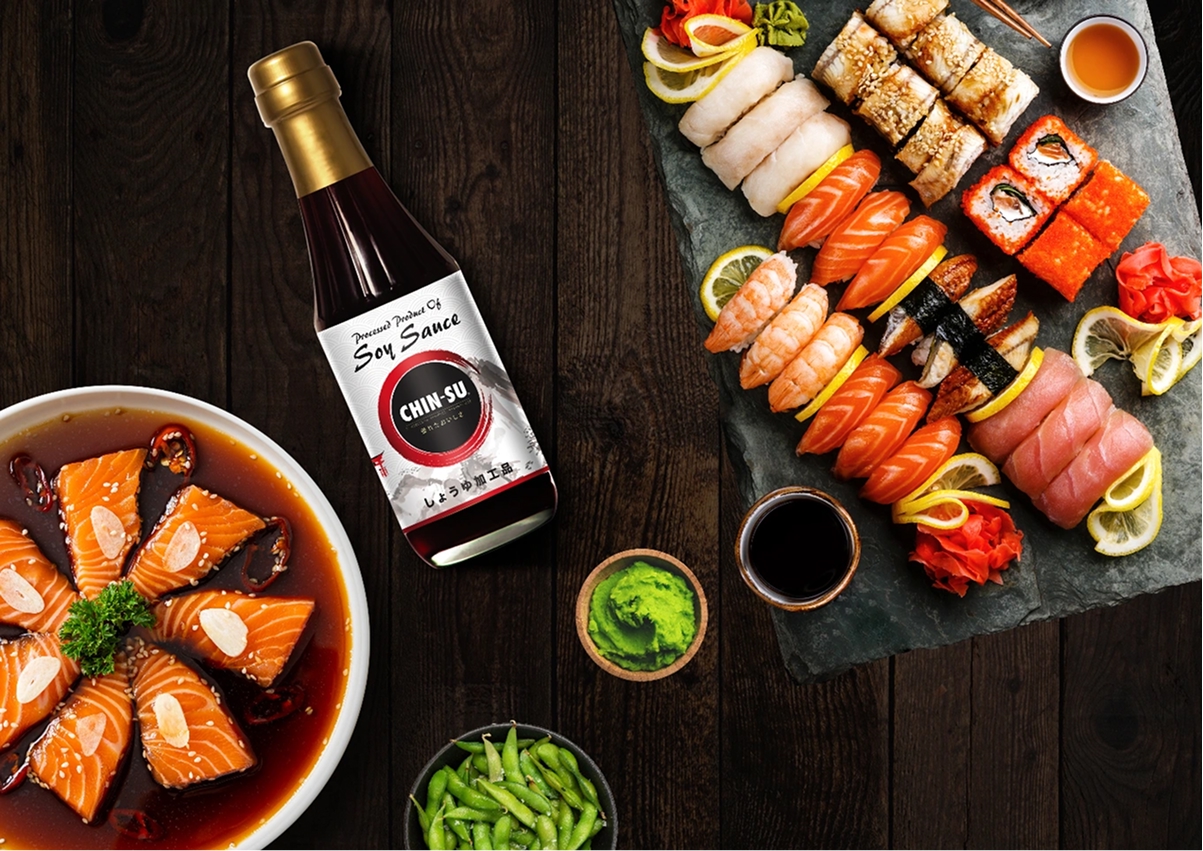
Years ago, when Masan's products appeared on international shelves, they were typically confined to the "Asian Food" section, an area that primarily served the overseas Vietnamese community. At that time, the brand structure was deeply local: dense label information, food imagery following tired visual conventions, and no common visual language suited to foreign consumers.
Without change, Chin-su would have stayed framed as a cheap condiment brand, unable to break through cultural barriers to reach mainstream consumers. That was the brand architecture problem that needed solving.
The "Global Spice" Strategy: Restructuring to Define Position
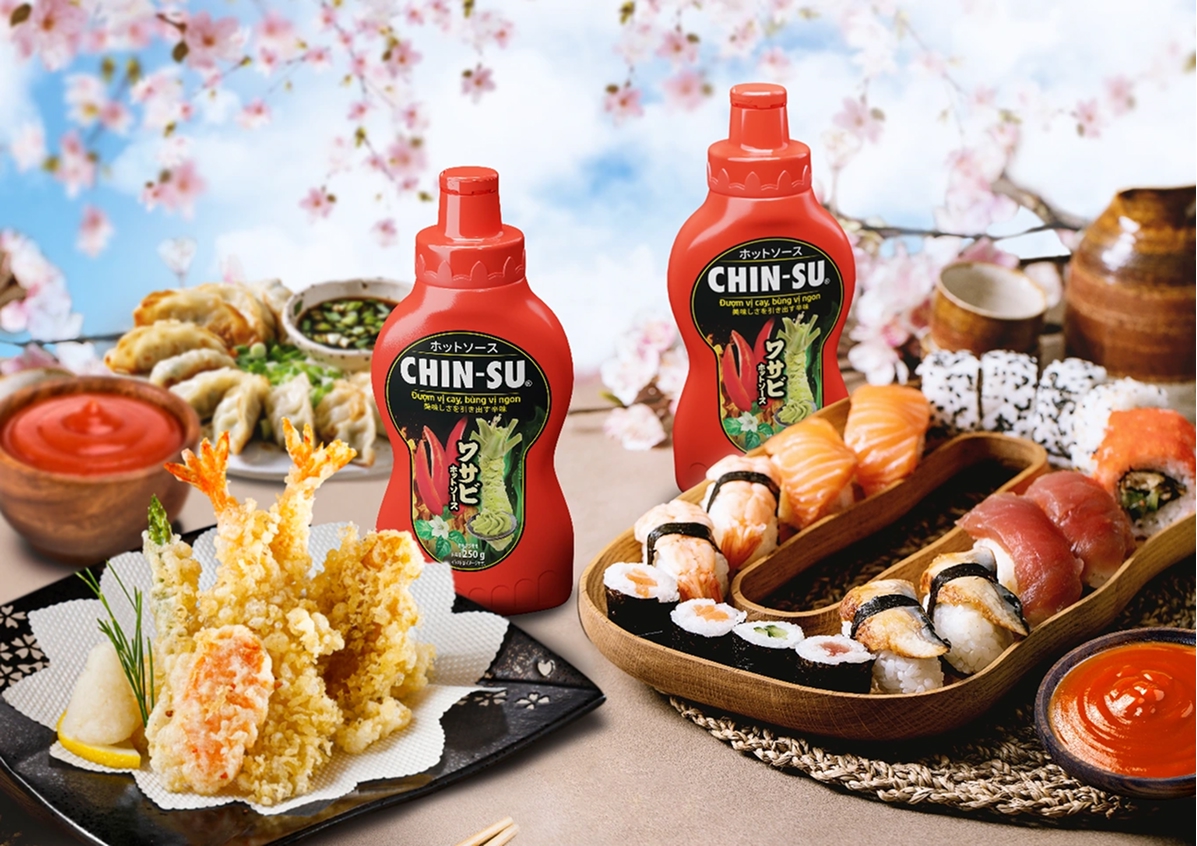
Instead of erasing the past, Chin-su took a new direction in brand architecture. This is visible in how the brand launched its collection of seasoning grains and powders at Foodex Japan and at recent food exhibitions in the US.
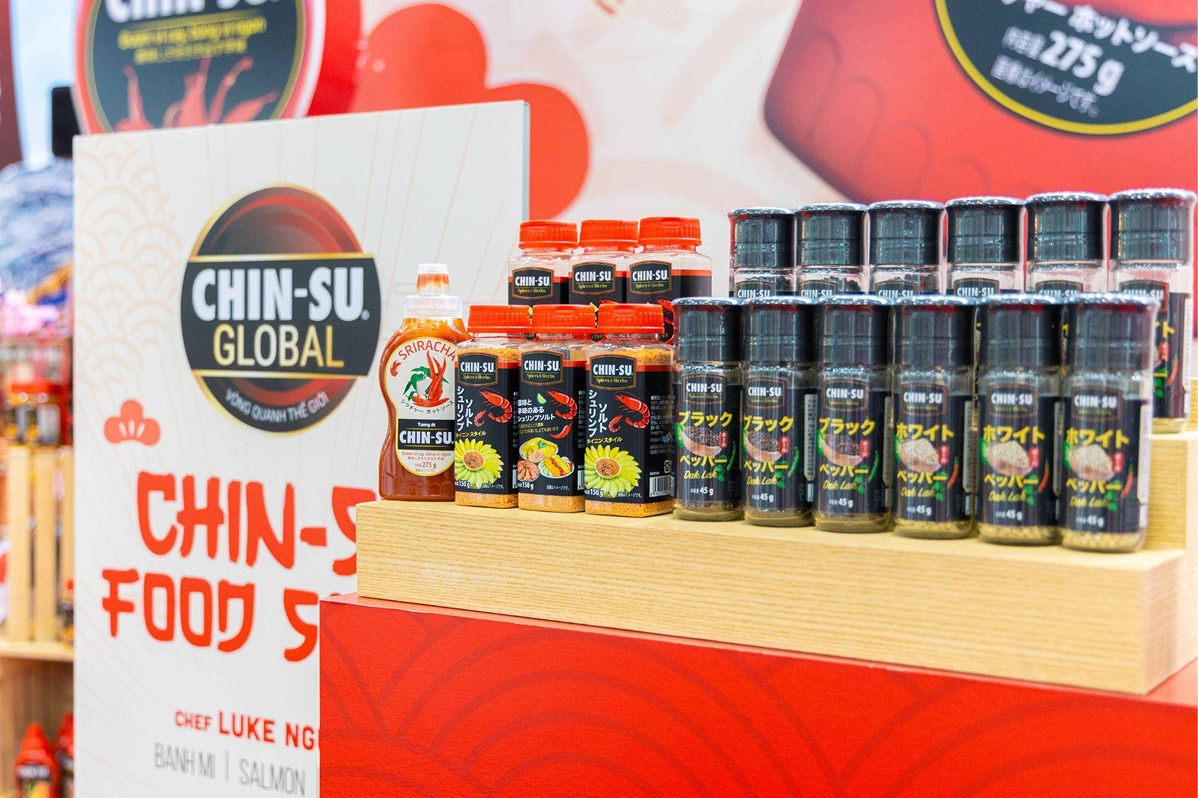
Standardization: The Chin-su logo was refined to become more minimal and contemporary. The company addressed naming inconsistency by establishing a clear hierarchy. The parent brand, Chin-su, serves as the endorsing brand across all product lines, from premium anchovy fish sauce to Wasabi chili sauce. This creates a unified identity system, allowing customers in Tokyo or New York to immediately recognize the connection between products.
Redefining Value: In Vietnam, Chin-su is associated with bold, abundant flavor. When entering Japan, the architecture strategy shifted focus to refinement and safety. The company redesigned packaging by removing excess detail and centering on images of natural ingredients. This is how aesthetics were used to overcome quality skepticism in the minds of international customers.
Lessons from Chin-su: Systematic Market Expansion
Chin-su's success going global did not come from changing the outer packaging. It came from the company answering a harder question: how do you expand internationally without losing what made the brand worth expanding in the first place?
Chin-su kept its signature red because it represents the energy and intensity of Vietnamese cuisine. But it placed that color inside a modern, minimal design structure that meets international standards. Every detail, from the bottle label to advertising imagery on international media, reinforces the credibility of a Vietnamese brand operating at global scale.
Obstacles When Exporting Products Abroad
In direct-to-consumer markets, an outdated visual identity is often what prevents a brand from reaching higher-end customer segments. Many Vietnamese companies assume strong product quality is enough. But when entering international markets, quality is the baseline, not the differentiator. What decides the outcome is whether the brand has an architecture and aesthetic standard that is legible to global audiences.
An inconsistent brand system also signals a lack of operational discipline. When a distribution partner in the US or Europe looks at a fragmented product portfolio, they do not read it as diversity. They read it as risk: in brand management, in supply chain, and in market positioning. That perception directly affects partnership decisions and commercial outcomes.
In contrast, a unified brand identity system positions a company at the international negotiation table with credibility from the first touchpoint. Consistency in design and messaging tells partners and customers the same thing: this business operates methodically, has a long-term view, and is capable of scaling.
The Risks When Companies Ignore Brand Architecture
Ignoring brand architecture during market expansion creates three compounding risks.
First, wasted financial resources. Instead of concentrating budget to build one strong brand, the company spreads investment across multiple fragmented labels. Dispersed investment leaves each sub-brand too weak to compete independently.
Second, loss of positioning control. A brand positioned as premium in one region can be perceived as mass-market in another. This inconsistency prevents the company from building a coherent global identity, confuses customers, and erodes brand reputation across markets.
Third, declining capitalization value. When a company seeks funding or pursues M&A, a chaotic brand system reduces valuation. Investors consistently prioritize businesses with clear structure, scalability, and a credible path to sustainable growth. None of those attributes exist without a sound brand architecture.
ST25 Rice and the Lesson of Brand Protection in the US Market
ST25 rice, the first Vietnamese rice to be honored as “World’s Best Rice” in 2019 in the Philippines, continued to affirm its standing with high awards in 2023 and 2025. Despite being regarded as a national asset, the ST25 brand faced serious risk the moment it entered international markets. Companies in the US quickly filed trademark applications for “ST25” and similar visual identities, creating barriers to Vietnam’s official exports.
The Trap of Letting Quality Speak for Itself
Vietnamese agricultural companies frequently make the same mistake when going global: they focus entirely on product quality while overlooking the structural and legal groundwork, trademark registration, and a standardized identity system.
Ho Quang Cua, the agronomist behind ST25, and his team spent years developing rice that meets the world's highest quality standards. But when ST25 entered the global market, the brand lacked a unified identity system and a disciplined legal protection roadmap.
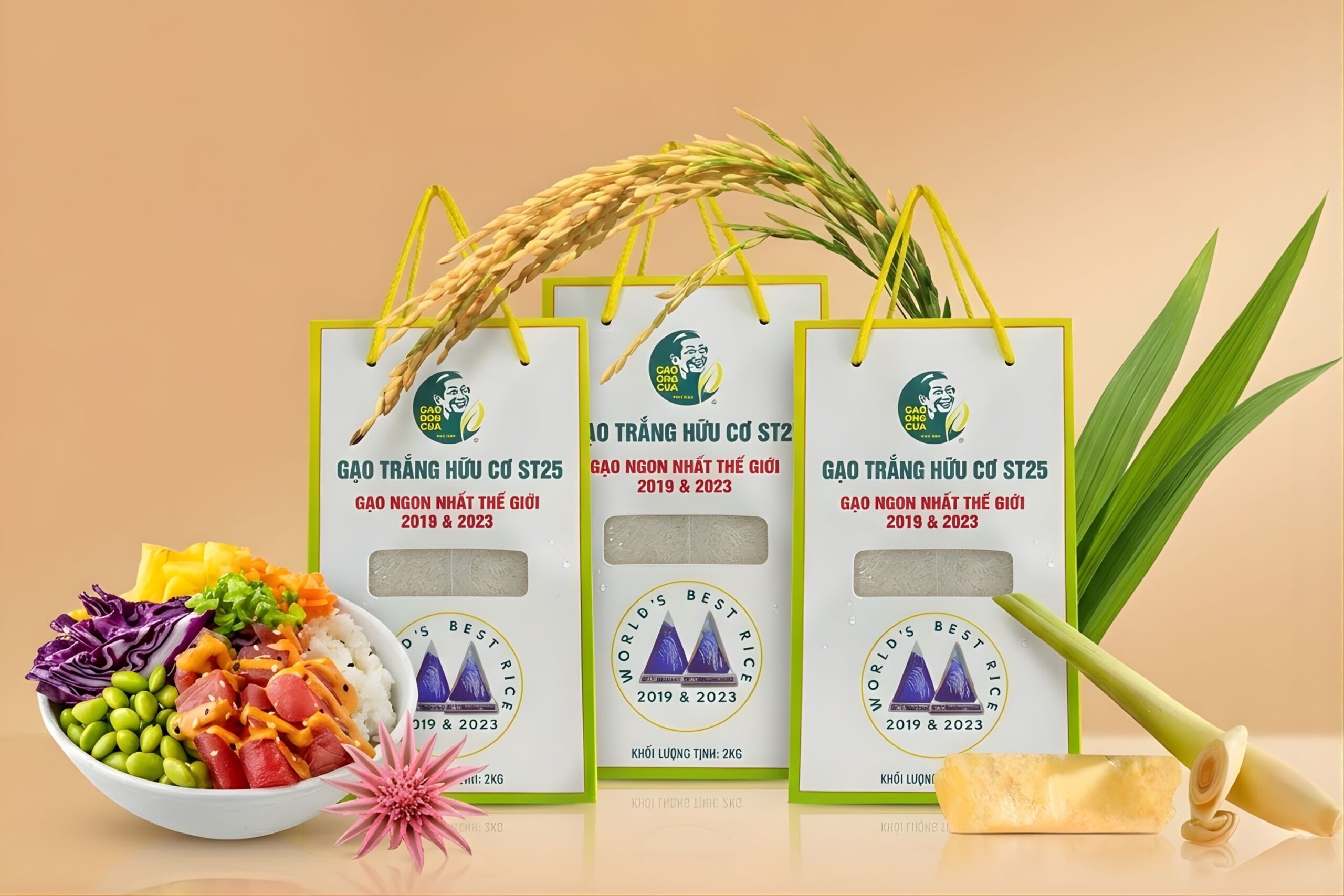
This management gap left ST25 legally exposed. To international companies, ST25 did not look like a fully protected brand. It looked like an unoccupied asset. That perception created conditions for competitors to copy, appropriate the name, or redefine ST25’s value on their own terms.
3 Reasons Why the ST25 Brand Was Vulnerable
From a brand strategy perspective, ST25's problem had nothing to do with product quality. The core cause was that brand architecture was not built with discipline before entering international markets. Three systemic weaknesses made ST25 easy for other parties to appropriate.
- First, legal naming confusion. In Vietnam, ST25 is understood as the name of a rice variety. In international markets, if a company does not position and protect ST25 as a master brand tied to a specific legal entity, authorities treat it as a descriptive category term. That legal gap gave foreign companies grounds to register ST25 as their own trademark, turning a product of national value into the private property of another party.
- Second, no synchronized global identity system. Before the dispute, ST25 rice had no global standard for imagery and packaging. Each distributor or agent designed and presented the name independently. This lack of consistency dispersed brand strength and made it difficult for customers to identify the authentic product. The laxity in visual management opened the door for third parties to create their own versions of ST25 for commercial gain.
- Third, delayed protection. It was only when US companies filed trademark applications that the Vietnamese side began to act. By then, ST25 had moved from a position of proactive value creation to a reactive defensive posture. International legal costs, extended timelines, and lost commercial momentum during the dispute represent a loss far beyond the financial, extending to market timing and credibility.
Consequences When Companies Lose Brand Ownership
Losing trademark ownership of ST25 in major markets creates direct threats to the business:
- Loss of product positioning rights: Foreign companies can use the ST25 name on lower-quality rice, eroding the reputation Vietnamese farmers spent decades building.
- Export barriers: In the most damaging scenario, authentic ST25 rice from Vietnam attempting to enter these markets could face trademark infringement claims, because the opponent had legally registered the name first.
Strategic Lessons in Brand Management
The story of ST25, alongside earlier cases such as Trung Nguyen Coffee and Phu Quoc Fish Sauce, points to the same conclusion: a brand is an asset that requires methodical management strategy, not just product quality and national pride. To protect business results, companies need to shift thinking in three directions.
- Build brand architecture before expanding. Clearly define the master brand and sub-product lines, and register appropriate protection in each target country before entry.
- Complete legal and identity groundwork simultaneously. Intellectual property registration and international-standard visual system design need to happen together, at the start, not as corrections after the fact.
- Export a standardized system of values, not just products. A well-packaged value system gives the company the competitive footing and legal standing to protect itself in global markets.
Taking a domestic brand international is fundamentally a challenge of managing intangible assets. It requires a professional brand architecture roadmap to protect core equity and prevent competitors from exploiting structural gaps.
A New Turning Point for Vietnamese Brands
Vietnamese companies should start from a clear identification of core values and rebuild their identity systems to be consistent across markets. That is the only path to building brand equity that compounds instead of fragments. Export activity to the US and ASEAN is accelerating. Building a brand architecture roadmap before expanding is no longer optional. It is the cost of entry. The brands that scale without losing equity are the ones that solved architecture before they needed to. That choice gets harder, and more expensive, the longer it waits.