
Most brands in Vietnam do not lose because their product is weaker. They lose because nothing about them is unmistakable.
Walk a category in Ho Chi Minh City or Hanoi and you will hear the same three claims, repeated by competitors who cannot tell themselves apart on a website. High quality. Customer-centric. Innovative solutions. None of these are positioning anymore. They are the price of entry. The question that matters is harder: what does your brand do that no competitor can claim with a straight face?
The Substitution Test
Take your last campaign. Replace your logo with your closest competitor’s. Does the message still hold?
If it does, you do not have a brand problem. You have a sameness problem. Sameness is the slowest and most expensive way to lose a market, because the symptoms do not show up in revenue first. They show up in customer acquisition cost, in pricing power, and in how often customers default to whichever option is on promotion this week. By the time the brand tracker reflects it, you have spent two years compounding the issue.
The Only-ness Audit
Four tests separate real differentiation from claimed differentiation. Run them before your next campaign.
- Substitution test. Swap your logo for a competitor's in your current marketing. If the message survives, the message was never yours.
- Price elasticity test. Raise prices by 10% next quarter. Do your core customers stay because the value you deliver has no equivalent, or do they shop around? If they shop, your value is replaceable.
- Operational alignment test. Can your supply chain, product team, and support function actually deliver what marketing promises? If operations cannot back the claim, every customer interaction erodes the brand a little more.
- Narrative durability test. Does your brand story build attachment that compounds over time, or does it grab attention and fade with the campaign?
A brand that fails three of four tests is not differentiated. It is comfortable. Comfort is what gets eroded first when the category gets crowded, which in Vietnam means almost every category right now.
Why the Audit Works: The 3C Lens
The audit looks like a checklist. Underneath, it maps a deeper question: where does real differentiation live? xolve uses a three-part lens inside the B2M (Brand to Market) model.
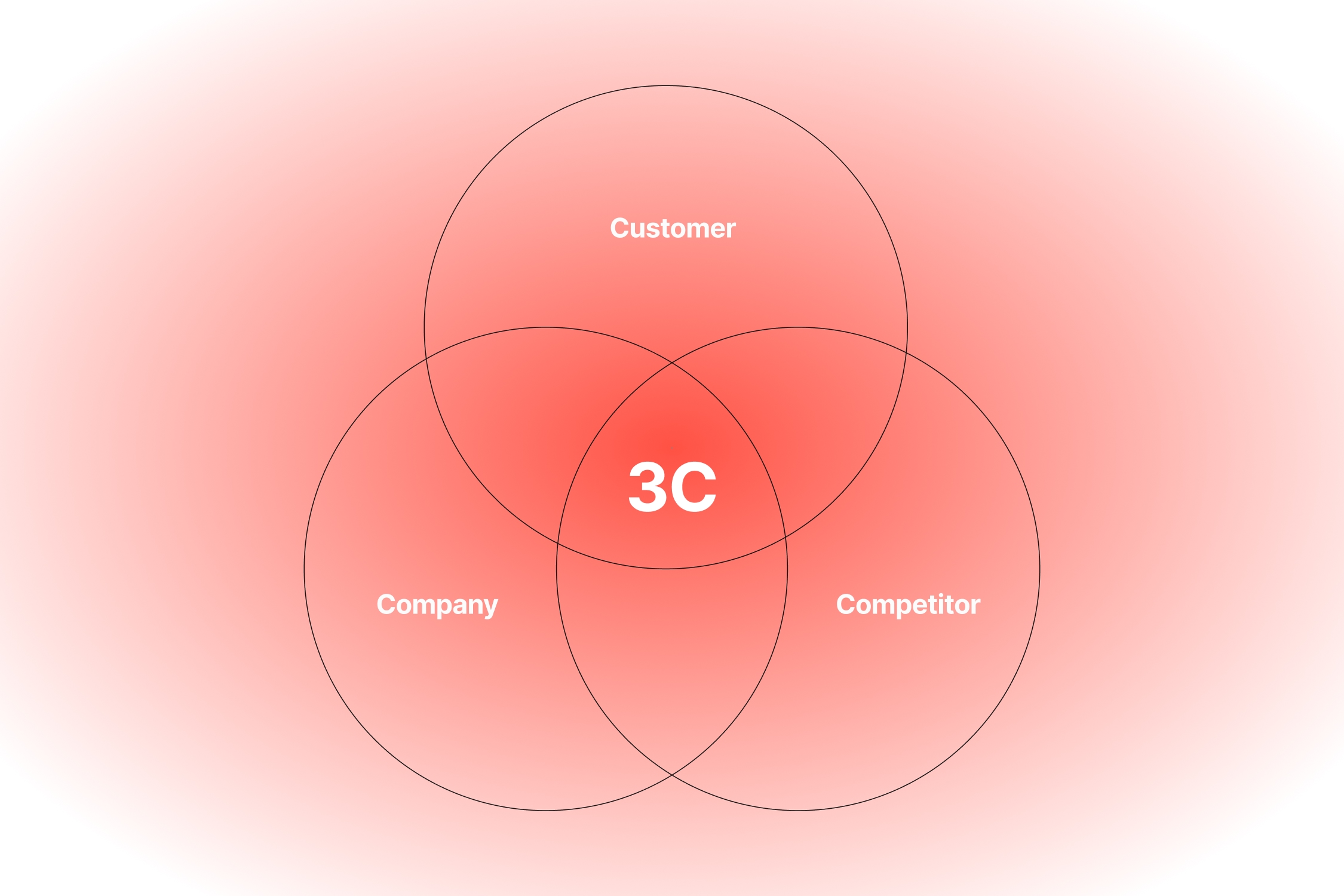
- C1. Customer. What buyers actually want, including the hesitations they will not say out loud in a survey. These show up in behavior, not in answers.
- C2. Competitor. What every other player in the category is already saying and doing. This is the territory you cannot win, no matter how loudly you say it.
- C3. Company. What your business can credibly deliver, given your capital, team, technology, and operating reality.
Real differentiation sits at the intersection of C1 and C3, with everything in C2 removed. That intersection is the only space where your brand offers something the market wants and competitors cannot easily copy.
Most positioning decks skip this discipline. They claim a position the company cannot operationally deliver, or they claim a space the entire category already occupies. Either error costs the same: a brand that sounds confident in slides and generic in market.
What Differentiation Looks Like in Practice: Be Group
Be had no leverage to win Vietnam’s ride-hailing market on Grab’s terms. Grab arrived with global capital, algorithmic optimization, and a standardized experience. Matching any of those would have made Be a temporary alternative, not a sustainable choice. So Be changed what the comparison was about.
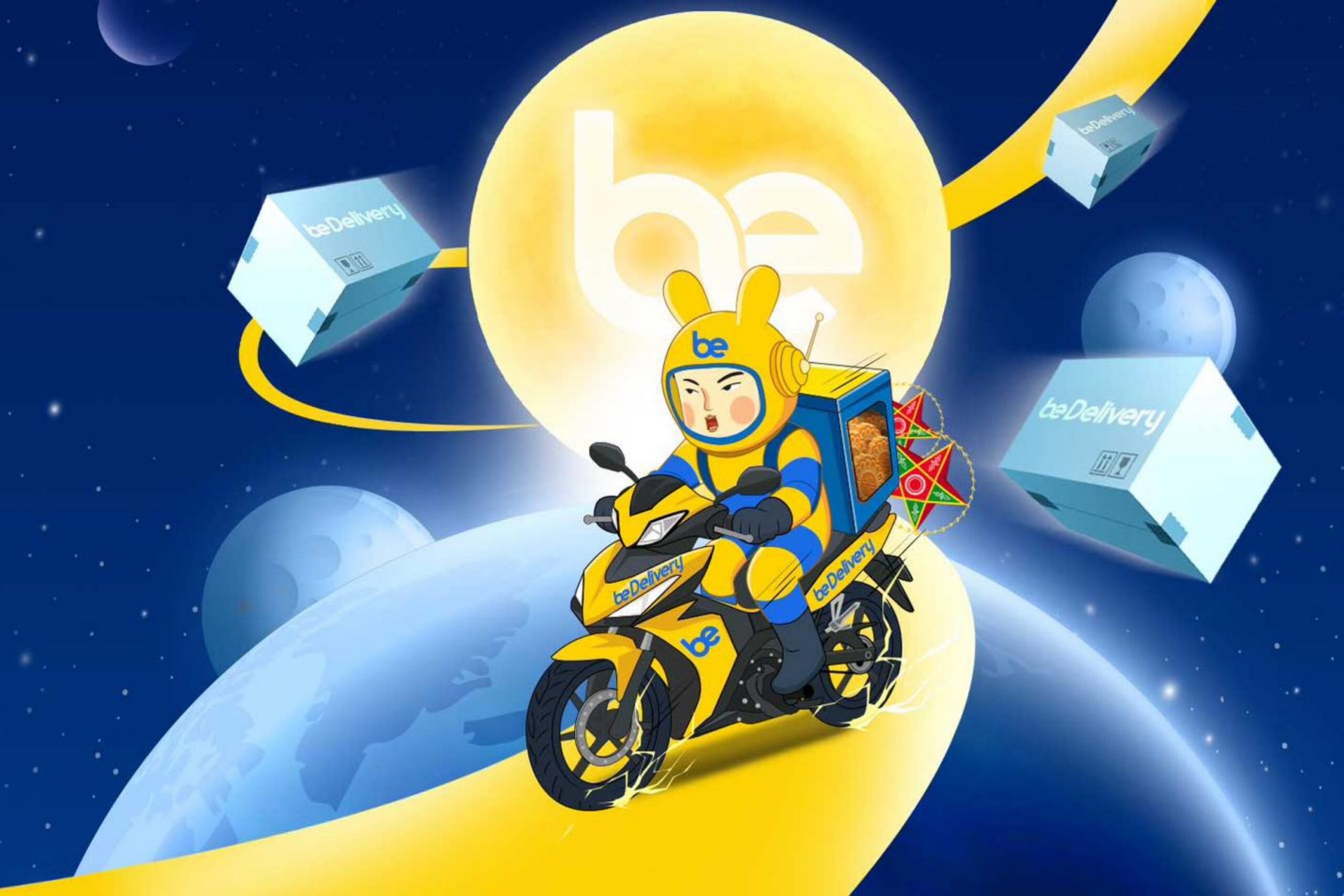
The insight: young Vietnamese users, especially Gen Z, were not just looking for a cheaper ride or a faster pickup. They wanted a service that felt familiar and unforced, not corporate. Closer to a friend with a car than a platform with an algorithm.
- A brand voice that reads like a person, not a platform
- An app experience designed around daily Vietnamese mobility habits, not exported from a global template
- Communication that lands as local, not translated
- Native integration with KOLs and platform culture, not bolted on
The line between Be and most challenger brands is that Be did not claim closeness. It built closeness into the product, the language, and the execution. That is the difference between a positioning statement and a positioning system. Anyone can write “we are close to our customers” in a brand deck. Be made that line operational.
What Makes Differentiation Durable
A differentiator that competitors copy in six months is not a differentiator. It is a head start. Four kinds of advantage tend to hold long enough to matter.
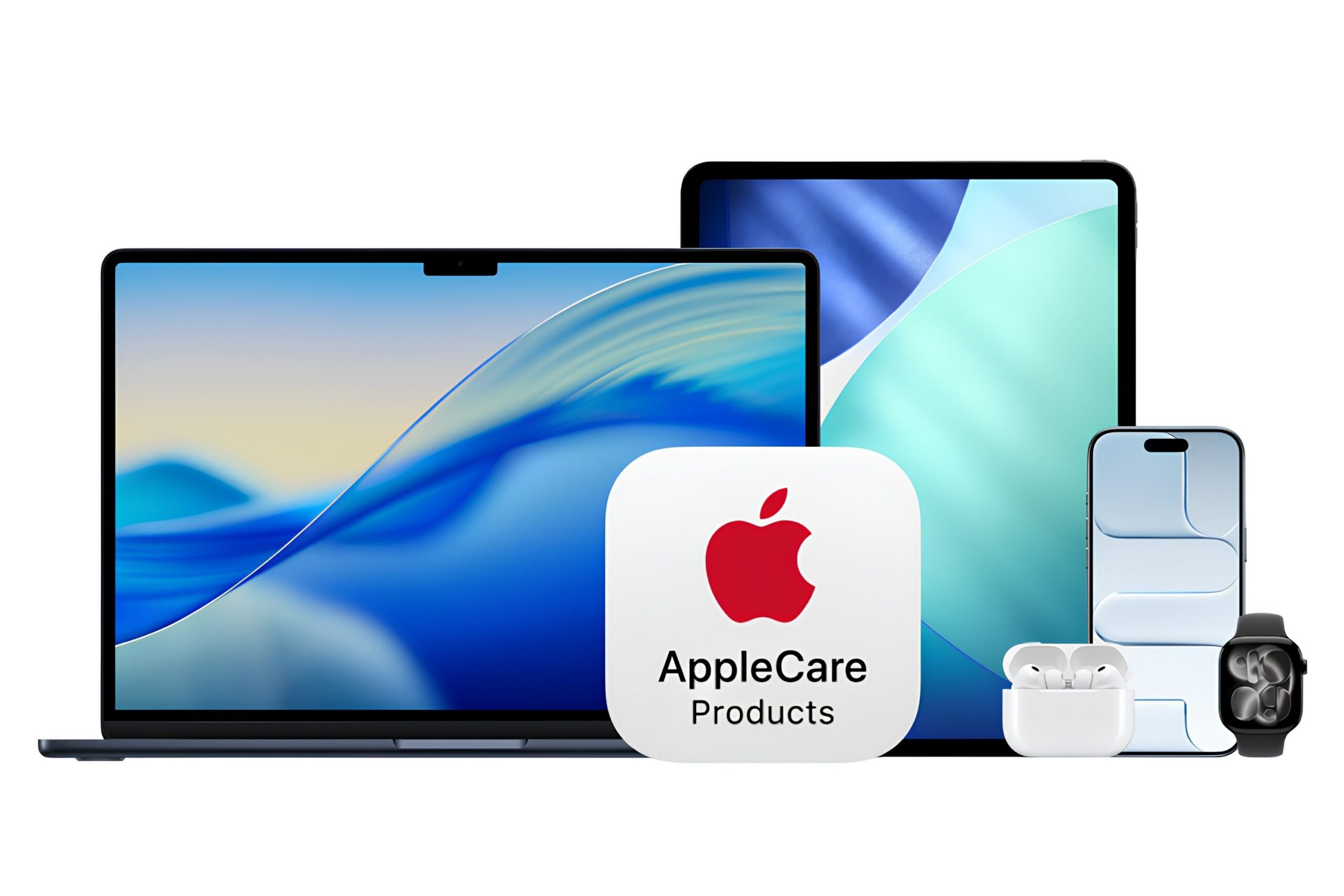
- Switching costs. Apple is the textbook case. Customers do not buy an iPhone. They buy iCloud, AirDrop, Apple Watch, MacBook, and AirPods working as one experience. Moving to another ecosystem means relearning daily habits and accepting a less connected, less efficient setup. The lock-in is not any single product. It is the total system, and the system gets harder to leave the longer you stay.
- Network effects. As Bách Hóa Xanh's store network and customer base grow, its ability to optimize local supply chains compounds. A competitor cannot match this by spending more on marketing. They have to rebuild a logistics network from scratch, which takes years and capital that most challengers do not have.
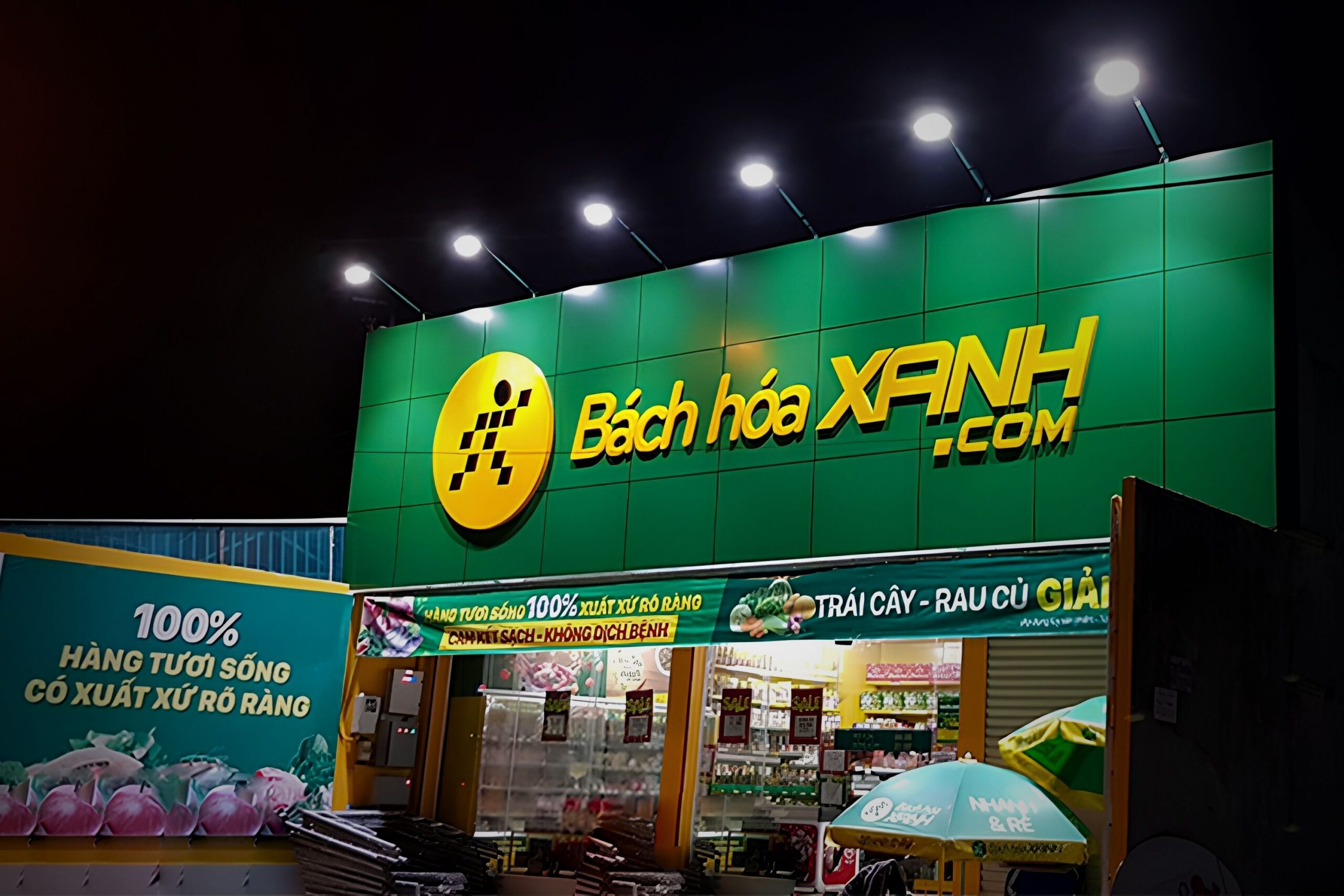
- Proprietary operations. Some brands hold price advantage not because they cut value, but because they run leaner. Process discipline at the right scale becomes its own moat. Competitors cannot promote their way past it.
- Consistency over time. Trust is not won in a campaign. It accumulates when visual identity, messaging, and service behavior align month after month. Customers stop comparing and start defaulting. Defaulting is the goal. It removes the brand from the consideration set and places it at the top of the decision tree.
Each of these takes years to build and minutes to lose. Inconsistent execution can undo a decade of brand equity in a single quarter of off-brand campaigns.
When Differentiation Means Redefining the Category: Dyson
Most brands try to be a better version of what their category already does. Dyson asked a different question: what assumption does the entire category accept that nobody has challenged?
The answer was the dust bag.
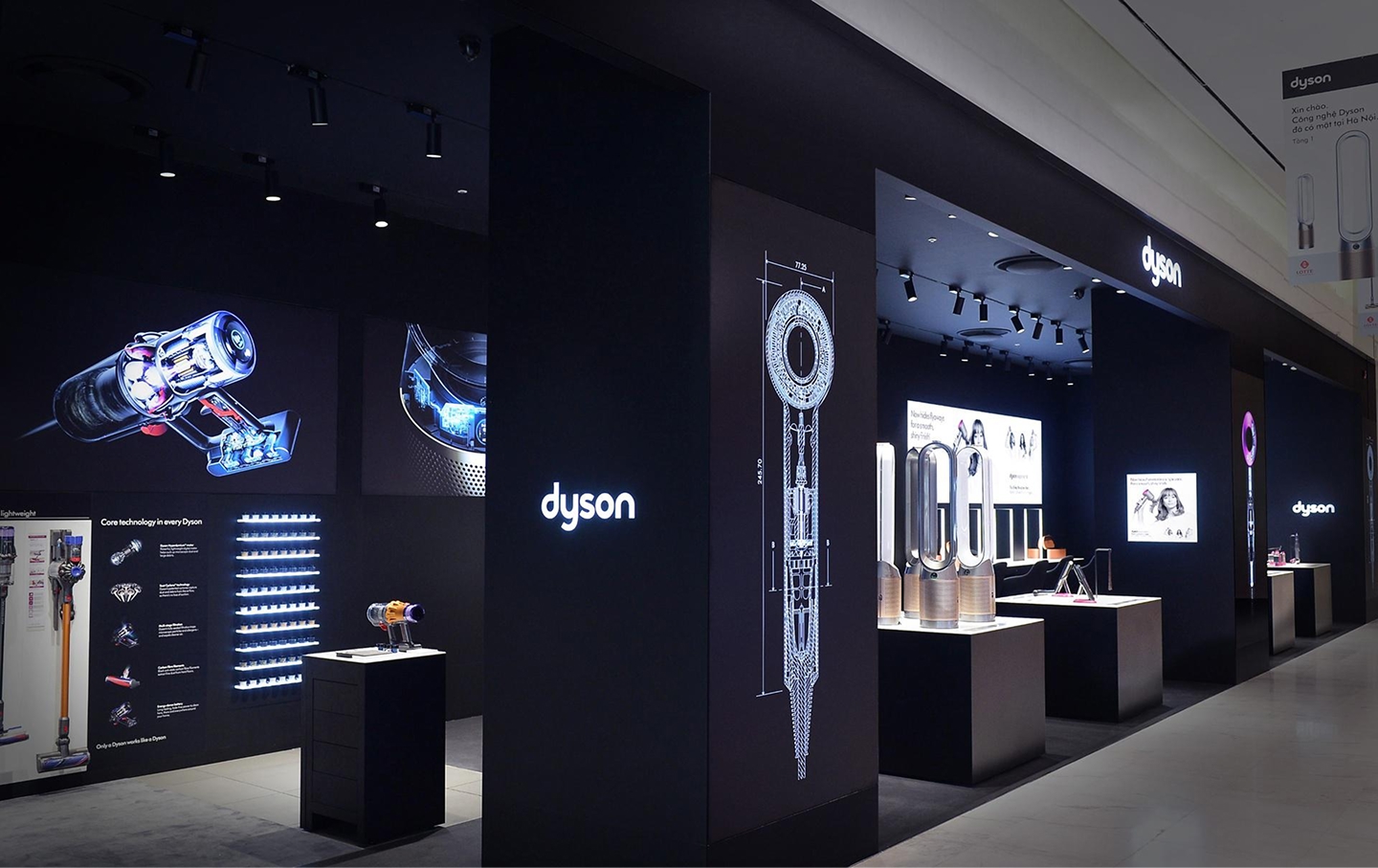
- Hundreds of patents covering motors, airflow, and product architecture
- In-house R&D sustained over decades, not outsourced
- An engineering-first brand culture where technology drives positioning, not marketing
Competitors can build vacuums that look like Dyson. Few can build ones that perform like Dyson at the same price. Dyson stopped competing as a home appliance brand and became a premium consumer technology brand, still selling vacuums.
The strategic move was not technical. It was deciding what to be judged on. Once Dyson defined the criteria, the rest of the category was forced to either compete on those terms or accept a lower tier.
The Cost of Sameness
When differentiation erodes, the symptoms show up in the operating numbers before they show up in the brand tracker.
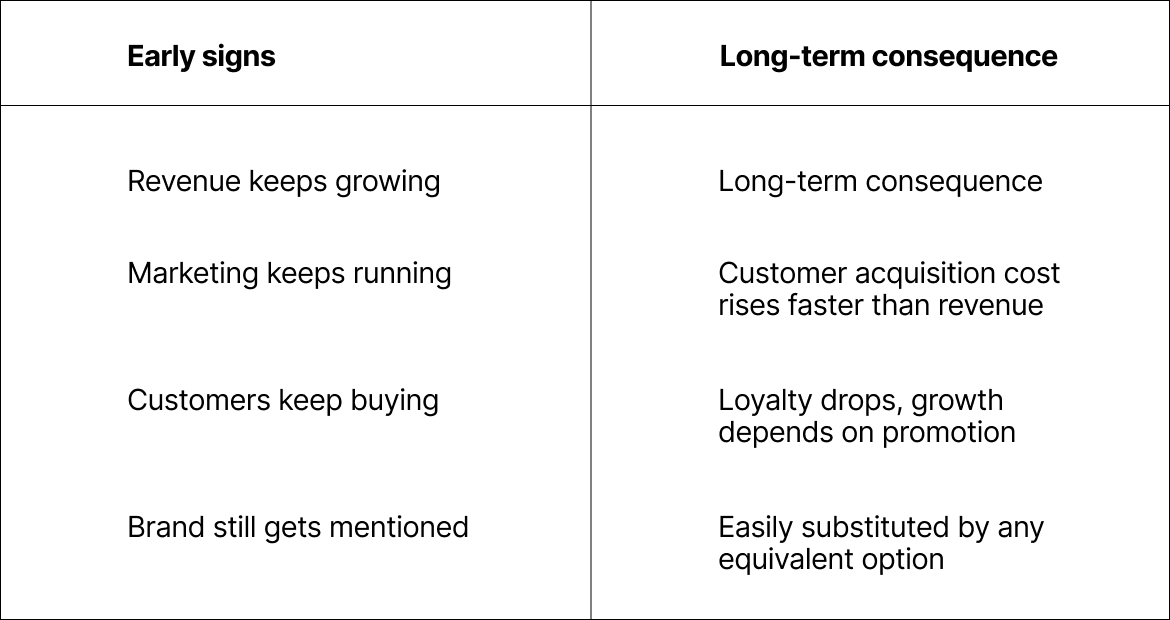
Brands that occupy a clear, defensible position in customers’ minds tend to outgrow category averages by a meaningful margin. The cause is not heavier spending. It is that they have removed comparison from the buying decision. A clear position reduces the buyer’s cognitive load, which is the actual product of strong positioning.
This advantage compounds. Brands without it spend the same money every quarter to win the same attention. Brands with it spend less and earn loyalty that survives price competition.
Brand Finance’s Vietnam 100 – 2025 report puts the total value of Vietnam’s top 100 brands at USD 38.4 billion, with continued growth projected. Most of that value is concentrated in brands that have already done the work to be unmistakable. The rest of the market is competing for the share of attention and margin that those brands no longer have to fight for.
From Audit to System: The B2M Discipline
A clear positioning statement that the organization cannot deliver is worse than no positioning at all. It signals intent the business cannot keep, and customers notice the gap between promise and experience faster than internal teams expect.
- Internal culture and how decisions get made
- Visual identity and design language
- Product and service experience at every touchpoint
- How the brand speaks and behaves in market
When these layers align, positioning stops being a slide and becomes a system. The system absorbs market shifts without losing shape, because every component reinforces the others.
This is the discipline that separates brands that last from brands that fade. Investing in differentiation is not a creative exercise. It is the foundation for how the business operates and grows when the category gets harder.
Run the audit. Find the gap. Build the system.