

Vietnam is not one market. Most brands find this out after they have already committed the budget. The assumption that regional differences are narrowing is understandable. Technology has made consumer behavior more visible and more measurable. Data gives the impression of predictability. But the underlying dynamics of how Vietnamese consumers form trust, make decisions, and evaluate brands remain stubbornly regional. Income distribution, consumption habits, and price sensitivity still fracture sharply between North and South. Brands that ignore this pay for it in conversion rates.
The Paradox of Popularity: Why Viral Does Not Equal Scale
Hype has a short shelf life. Consider Katinat, the café chain that became one of HCMC’s most talked-about beverage brands. Starting from ten stores in Ho Chi Minh City at the end of 2021, it grew to over 30 large-footprint locations in prime city-centre sites within a year. The brand identity was built directly around Saigon: the name “Katinat Saigon Kafe” referenced the iconic Rue Catinat, the colonial-era street that became Dong Khoi. Every visual, every design concept, every cultural cue was calibrated for a Southern audience that understood the reference and responded to it.
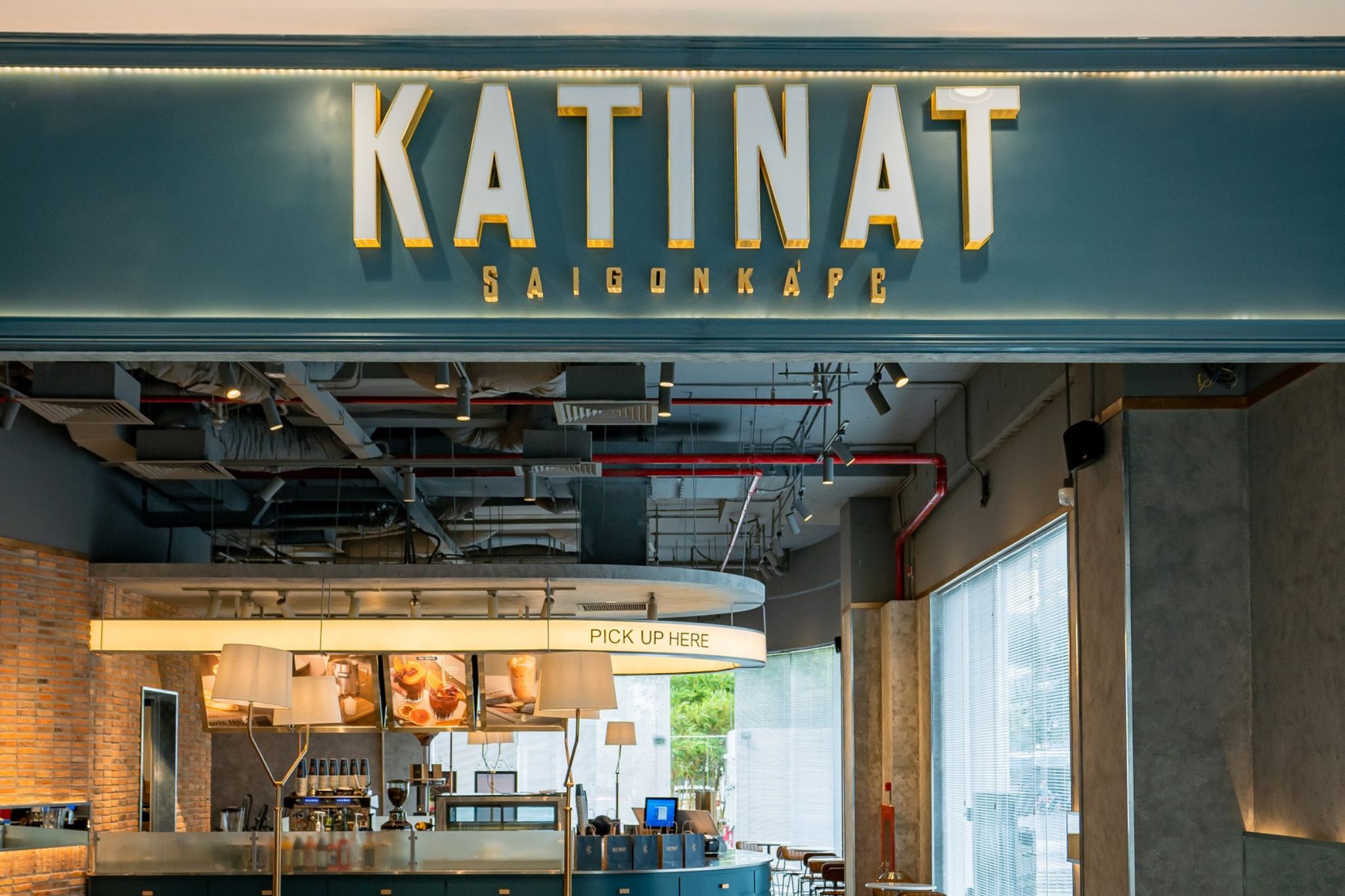
Then came the northern expansion. Prime Hanoi locations, substantial investment, the kind of opening energy that worked reliably in HCMC. Foot traffic came. Curiosity came. But a structural problem emerged: the brand’s core identity was inseparable from a geography that Northern consumers did not share. “Saigon” in the name was not a neutral descriptor. In Hanoi, it was a signal that this brand was from somewhere else.
By 2024, Katinat made a documented strategic decision: it rebranded from “Katinat Saigon Kafe” to “Katinat Coffee & Tea House,” removing the Saigon marker entirely before pushing further into national expansion. The product had not changed. The execution had not failed. The brand’s identity, built specifically for one market, needed to be restructured before it could earn trust in another. The campaign had not failed. The brand had not yet earned the right to convert.
Attention vs. Trust: The Credibility Wall
The failure in this scenario has nothing to do with product quality or campaign execution. It comes from confusing attention with trust.
In the Northern market, a new brand is often perceived as interesting but temporary. Novel but unproven. Not credible enough for long-term commitment. This pattern repeats across F&B, fashion, fitness, and beauty. Brands win fast in Ho Chi Minh City through novelty and emotional resonance, then hit what can be called the Credibility Wall when they expand north. The wall is not built from indifference. It is built from a different set of standards.
The Core Strategic Mistake: Reading Hanoi Through an HCMC Lens
Ho Chi Minh City rewards speed. Consumers here experiment readily, tolerate trial and error, and pivot quickly when an experience loses its edge. In this environment, dynamism, emotional resonance, and rapid iteration are genuine competitive advantages.
Hanoi operates on different logic. It is a market defined by deliberate observation. Consumers do not react immediately, but their memory is long. They are slow to commit, but once they do, loyalty holds. More importantly, Hanoi consumers evaluate a brand not only on its product, but on the social standing and values it represents.
Brands that replicate the Ho Chi Minh City playbook in Hanoi without adjustment are not just missing the nuance. They are actively working against themselves, using a register and rhythm that signals the wrong things to the wrong audience.
High Engagement is Not Brand Trust
In Ho Chi Minh City, a well-executed campaign can convert to revenue within days. In Hanoi, the same campaign marks the beginning of a quiet vetting process. Northern consumers watch a brand before they buy from it. They track where it appears, who endorses it, and in what context. They weight feedback from peers, family, and recognized professionals. Purchase decisions follow multiple rounds of social validation, not a single emotional impulse.
This is the trap many marketing teams fall into: strong impressions, high engagement, stagnant revenue. The campaign reached the audience. The brand simply has not yet crossed the credibility threshold in the minds of Northern consumers. These are different problems with different solutions.
Divergent Consumption Mindsets
Ho Chi Minh City and Hanoi do not just differ in pace. They differ in how consumers assign value.
- Ho Chi Minh City is transactional. Novelty, speed, and convenience are primary drivers. A brand needs to be compelling enough to trigger a first purchase. The threshold for trial is relatively low.
- Hanoi is relational. Novelty is met with measured skepticism. Brands earn entry by demonstrating alignment with local cultural values over time. Presence alone is not enough. Consumers need to see a brand as a credible long-term choice before they commit.
The decision-making mechanics reflect this. In Hanoi, purchase decisions are rarely individual. They are social. Consumers rely on their immediate circles: family, peers, respected voices in their field. A purchase that lacks communal validation carries social risk. The question is not just “do I want this?” but “is this the kind of brand I should be associated with?”
In Ho Chi Minh City, the greater risk is missing out on something new. This single contrast explains why the same product and campaign can produce radically different results across the two cities.
The xolve 4D Model: A Framework for National Expansion
These regional differences are not anecdotal. They show up consistently in how customers form buying motives, make decisions, establish trust, and read brand aesthetics. When brands fail to decode the mechanics behind these differences, their creative execution stays shallow. It captures attention but does not drive conversion.
To avoid replicating the HCMC formula in a market that operates differently, brands need a framework that translates culture into operational decisions. The xolve 4D Model is built for this.
1. Drive: Buying Motives
Buying motives differ between regions, so messaging must diverge.
In Ho Chi Minh City, purchase decisions are emotionally driven. A new café, boutique fitness studio, or fashion label can grow quickly by being worth trying. Shopping here is an extension of personal identity and openness to new experience.
In Hanoi, buying motives are more tied to social positioning. Consumers are less concerned with novelty and more focused on whether a brand reinforces or elevates their standing. In sectors like fitness or beauty, Northern customers often choose a brand not because it is new, but because it is established, credible, and aligned with long-term expectations. Running purely experiential messaging at an audience seeking prestige is a budget allocation problem, not just a creative one.
2. Decision: Decision Mechanics
In Ho Chi Minh City, purchasing decisions can happen in a single touchpoint. Tactical promotions, trial offers, and low-friction customer journeys are effective. This explains why DTC and social commerce models have found strong traction in the South.
Hanoi operates on an inverse logic. Multiple exposures can extend rather than accelerate the decision process. In F&B, it is common for customers to visit a venue several times as observers before converting to regulars. They are evaluating traffic consistency, clientele profile, and brand longevity. If marketing is not designed to support this extended consideration window, the brand will not build the communal credibility it needs.
3. Trust: Credibility Standards
Many Southern brands expanding north invest heavily in service improvement: stronger CRM, professional protocols, loyalty incentives. These matter, but they address the wrong gap. In Hanoi, trust is not primarily built through service quality. Specific expertise establishes the brand’s authority.
In sectors like education, healthcare, and specialty food and beverage, Northern consumers gravitate toward brands with established weight, whether through heritage, credentialed founders, or endorsement from recognized professionals. Excellent service sustains an experience once trust is earned. It cannot substitute for the authority that triggers the first purchase.
4. Taste: Aesthetics and Semantics
Ho Chi Minh City rewards brands that stand out. Bold design, disruptive palettes, and high-energy visual language help cut through a dense, fast-moving market. Visual differentiation is a real advantage here.
In Hanoi, aesthetics communicate a different signal. Consumers respond to restraint, balance, and precision. Design that reads as excessive or overly eager can register as lacking depth. In luxury, hospitality, and premium categories, brand visuals need to communicate not just aesthetic appeal, but competence and seriousness. Design becomes a proxy for whether a brand has the caliber to be trusted.
The Localization Problem: What Starbucks Vietnam Reveals
Starbucks holds less than 4% of the Vietnamese coffee market after more than a decade in the country. The common explanations, high prices and a flavor profile that does not match local preference, are too simple. The real issue is not the product. It is how the brand’s role lands differently across the two regions.
In Ho Chi Minh City, Starbucks works. Southern consumers have an open and internationally oriented mindset. They use Starbucks as a space to express lifestyle and professional identity. The premium price is justified by what the brand represents. The model fits because it aligns with how HCMC consumers affirm their self-image.
In Hanoi, coffee is not just a product. It is a social ritual, a space for extended conversation, a marker of cultural taste and local identity. In this context, Starbucks’ self-service format, internationally standardized menu, and global chain identity create distance rather than credibility. The market recognizes the brand for its international competence. It has not become a locally trusted authority.
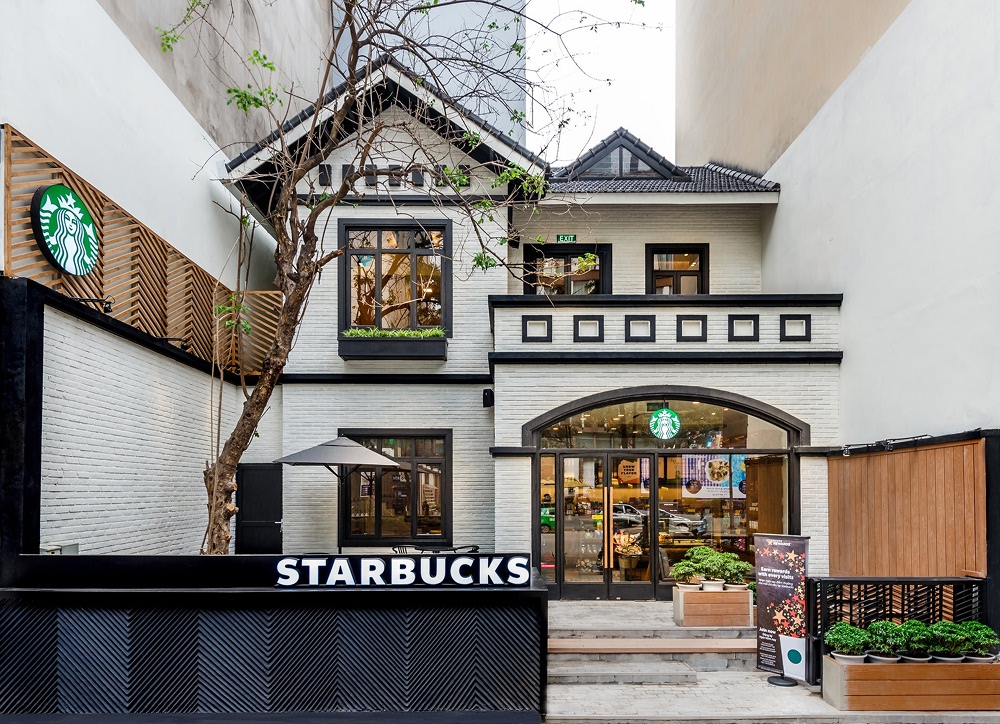
The brand did not fail at execution. It succeeded precisely in the role it chose to occupy. But that global consistency created a structural ceiling in the Northern market. Consumers accept Starbucks, but they do not embed it.
The lesson for expanding brands is direct. Even a globally recognized name loses ground when it fails to adapt its role to match what the local market expects from it. Global credentials establish you. Local credibility keeps you.
The Cost of Ignoring Regional Differences
When brands do not adjust strategy by region, the problems compound quickly.
- The first is budget misallocation. When a Southern campaign underperforms in Hanoi, the common response is to increase spend. This is the wrong move. It amplifies a message that is not working rather than fixing the underlying misalignment. Consumers in the target market develop a more skeptical view of the brand, not a warmer one.
- The second is margin erosion. Without a genuine understanding of Northern consumer psychology, brands often resort to price reductions to compete. This dismantles the premium positioning built in the South. The business then subsidizes failure in a new market using profits from its established one. Over time, this creates structural weakness that shows up in financial performance before leadership identifies the cause.
There is also a longer-term cost. A brand that cannot earn credibility in Hanoi will struggle to assert national leadership. The capital market carries outsized reputational weight. Missing it is not just a revenue gap. It limits the brand’s authority across the country.
A High-Standard Market, Not a Slow One
The most persistent misconception about Hanoi is that it is conservative and resistant to change. It is not. The Northern market has sophisticated, commercially active consumers with real appetite for quality brands and new categories. The difference is not openness. It is the standard required for entry. That standard, once met, creates a compounding advantage. A brand accepted in Hanoi earns loyalty that holds. The vetting process that slows short-term growth becomes the same mechanism that protects long-term market position.
Ho Chi Minh City is where growth accelerates. Hanoi is where market position is secured. A brand that operates well in both understands that national expansion is not about replicating a formula. It is about knowing which levers matter in each context, and adjusting before the market forces the correction.